Should I Remove a Tree Leaning Toward My House in Grandin Village
Yes, you should remove a leaning tree that threatens your Grandin Village home, especially if the lean exceeds 15 degrees or shows signs of root damage. A compromised tree can fall during Roanoke's frequent summer storms, causing catastrophic property damage and endangering your family's safety.
Warning Signs That Require Immediate Tree Removal
Several indicators suggest your leaning tree poses an imminent threat. Look for exposed or damaged roots on the side opposite the lean, which indicates the tree's anchor system is failing. Cracks in the soil around the base, particularly after heavy rainfall, signal root movement that compromises stability.
Check for trunk damage including splits, cavities, or fungal growth that weaken the tree's structural integrity. Dead or dying branches on the side facing your house create additional falling hazards. If the tree leans more than 15 degrees from vertical, professional assessment becomes critical for your safety.
Storm Damage and Seasonal Risks in Roanoke
Roanoke's climate presents unique challenges for leaning trees. With average annual rainfall around 42 inches concentrated in May through September, saturated soil conditions reduce root stability. Summer thunderstorms with high winds frequently topple compromised trees, while winter ice storms add dangerous weight to already-stressed branches.
The USDA Hardiness Zone 6b-7a conditions support robust hardwood growth, but mature trees in Grandin Village's established neighborhoods often develop structural issues as they age. Regular professional inspections help identify problems before they become emergencies.
Professional Assessment and Removal Process
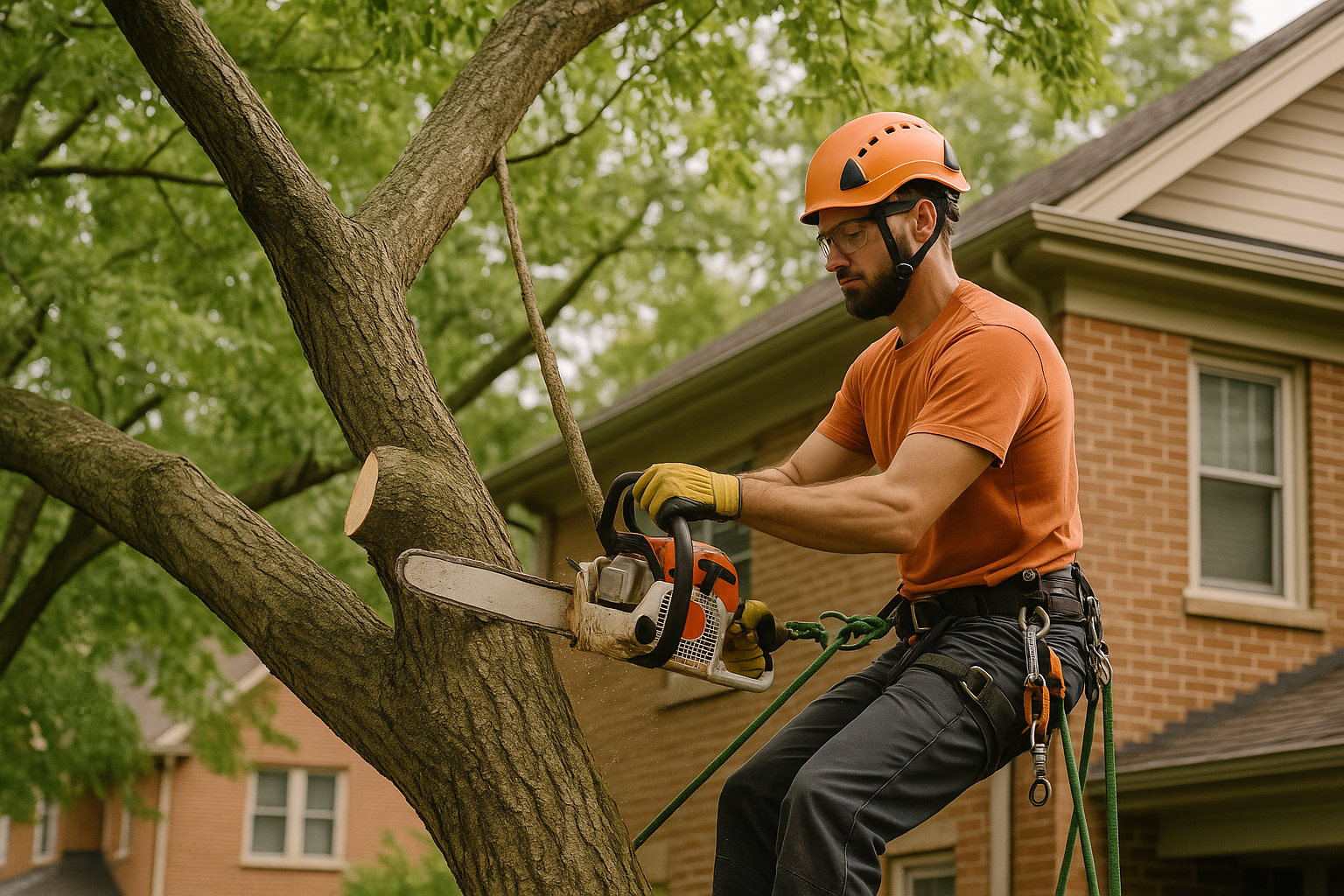
Never attempt to remove a leaning tree yourself, especially one threatening your home. Qualified arborists use specialized equipment and techniques to safely dismantle dangerous trees without property damage. The removal process typically involves sectional cutting, starting from the top and working downward to control each piece's fall direction.
Professional tree services in the South Roanoke area assess factors including lean angle, root condition, trunk integrity, and proximity to structures. They determine whether removal is necessary or if corrective measures like cabling or bracing might stabilize the tree temporarily.
Cost Considerations for Tree Removal
Tree removal costs in Roanoke typically range from $800 to $3,500, depending on the tree's size, location, and complexity. Emergency removals during storms often cost 25-50% more due to hazardous conditions and urgent response requirements. However, removal costs pale compared to potential damage from a fallen tree, which can exceed $15,000 in structural repairs.
Many homeowners insurance policies cover emergency tree removal when the tree damages your home, but preventive removal is typically your responsibility. Getting multiple quotes from licensed, insured professionals ensures fair pricing and quality work.
Prevention and Future Tree Health
After removing a dangerous leaning tree, consider the underlying causes to prevent future problems. Poor drainage, soil compaction, or construction damage often contribute to tree instability. Professional arborists can recommend proper species selection and placement for replacement trees that won't threaten your home as they mature.
Regular tree maintenance including pruning, fertilization, and health monitoring helps identify potential problems early. In established neighborhoods like Grandin Village, mature trees require ongoing professional care to maintain their health and structural integrity safely.
Frequently Asked Questions
- How much does it cost to remove a leaning tree in Grandin Village?
- Tree removal in Roanoke typically costs $800-$3,500 depending on size and complexity. Emergency removals during storms cost 25-50% more due to hazardous conditions.
- Can I wait to remove a leaning tree or is it urgent?
- Trees leaning more than 15 degrees toward structures require immediate professional assessment. Don't wait if you see exposed roots, trunk cracks, or soil movement around the base.
- Will insurance cover removing a leaning tree before it falls?
- Most insurance policies don't cover preventive tree removal, only damage after a tree falls. However, removal costs are minimal compared to potential structural damage expenses.
- What causes trees to lean toward houses in Roanoke?
- Common causes include saturated soil from heavy rainfall, root damage from construction, storm damage, disease, and natural growth patterns seeking sunlight from nearby structures.
- Should I try to straighten a leaning tree instead of removing it?
- Mature leaning trees rarely straighten successfully and may pose ongoing risks. Professional arborists can assess whether stabilization techniques like cabling are viable alternatives to removal.
About the author: Elena Rodriguez, Editorial Lead, Roanoke Tree Service Solutions. Elena has spent over a decade researching urban forestry and helping Virginia homeowners understand proper tree care practices. Her background in environmental writing has given her deep insight into the challenges property owners face when maintaining healthy landscapes. She's passionate about connecting residents with qualified arborists who can protect both their trees and their investments.
More tree service guides for Roanoke
Need tree service help in Roanoke?
Get matched with a vetted local pro — free, no obligation.