How to Protect Trees from Ice Storm Damage in Roanoke Virginia
Protecting trees from ice storm damage in Roanoke Virginia requires proactive pruning, proper tree selection, and strategic winter preparation. Regular maintenance and professional assessment before winter arrives can prevent costly damage and ensure your trees survive Virginia's harsh ice storms.
Understanding Ice Storm Risks in Roanoke's Climate
Roanoke's USDA Hardiness Zone 6b-7a climate creates unique challenges for tree protection. Winter ice storms can accumulate significant weight on branches, causing catastrophic damage to unprepared trees. The combination of freezing rain and wind creates conditions where even healthy trees can suffer major limb loss or complete failure.
Properties in neighborhoods like Old Southwest and Grandin Village often feature mature hardwood trees that are particularly vulnerable to ice accumulation. These established trees, while beautiful, require special attention to protect trees ice storm damage roanoke virginia residents commonly experience.
Essential Pre-Winter Tree Preparation
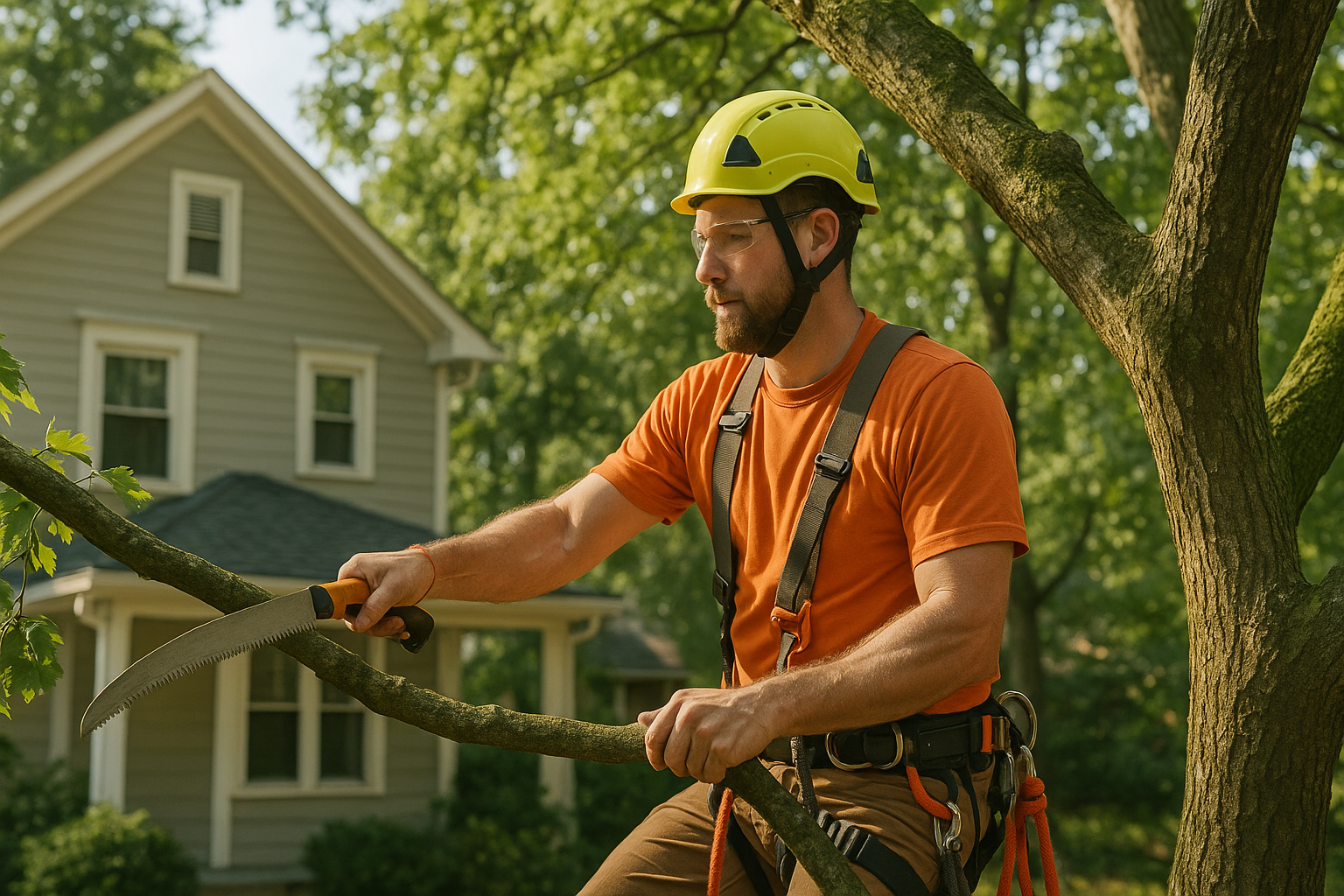
Professional pruning is the most effective method to protect trees from ice storm damage. Remove dead, diseased, or weakly attached branches before winter arrives. Focus on eliminating branches that cross or rub against each other, as these create weak points where ice can cause breaks.
Crown thinning reduces wind resistance and ice accumulation points. A certified arborist can selectively remove branches to allow wind to pass through the canopy while maintaining the tree's structural integrity. This process is particularly important for large shade trees common throughout Roanoke's residential areas.
Structural Support Systems
Cable and brace systems provide additional support for trees with structural weaknesses. These systems help distribute weight loads during ice storms and prevent major limb failure. Professional installation ensures proper placement and effectiveness.
- Steel cables for high-stress support points
- Flexible bracing for younger trees
- Guy wires for newly planted specimens
- Crown reduction for top-heavy trees
Tree Species Selection and Placement
Choosing ice-resistant tree species significantly reduces future storm damage risks. Native Virginia trees like oak, hickory, and maple generally withstand ice storms better than fast-growing species with brittle wood.
Avoid planting trees with known ice storm vulnerabilities near structures, power lines, or high-traffic areas. Species like Bradford pear, silver maple, and willow are particularly susceptible to ice damage and should be avoided or carefully managed.
Emergency Preparedness and Response
Develop an emergency plan before ice storms arrive. Identify trees that pose risks to your home, vehicles, or power lines. Keep contact information for certified arborists readily available, as demand for emergency tree services spikes immediately after storms.
Never attempt to remove ice-damaged branches yourself, especially near power lines. Ice-damaged trees remain unstable for days after storms, and improper removal techniques can cause additional property damage or personal injury.
Post-Storm Assessment
Professional assessment after ice storms helps determine which trees can be saved and which pose ongoing safety risks. Damaged trees may appear stable but could fail unexpectedly weeks or months later.
Document storm damage with photographs for insurance purposes. Many homeowner policies cover tree removal when trees damage structures, but coverage varies significantly between providers.
Long-Term Tree Health Strategies
Maintaining overall tree health improves ice storm resistance. Proper fertilization, watering, and disease management create stronger, more flexible trees that better withstand winter weather stress.
Regular professional inspections identify potential problems before they become safety hazards. Annual assessments allow for proactive management rather than reactive emergency response.
Investment in professional tree care pays dividends when severe weather strikes. The cost of preventive maintenance is typically much lower than emergency removal and property damage repair costs.
Frequently Asked Questions
- When should I prune trees to protect them from ice storms?
- Prune trees in late fall or early winter before ice storm season begins. Avoid pruning during active growth periods in spring and summer when trees are most vulnerable to stress.
- Which tree species are most vulnerable to ice storm damage in Roanoke?
- Bradford pear, silver maple, willow, and tulip poplar are highly susceptible to ice damage. These species have brittle wood that breaks easily under ice weight.
- Can young trees survive ice storms without protection?
- Young trees are particularly vulnerable and often benefit from protective wrapping or staking. Their flexible trunks can bend excessively under ice weight, causing permanent damage.
- Should I remove ice from tree branches during a storm?
- Never attempt to remove ice from branches during or immediately after storms. Ice-laden branches are unpredictable and dangerous. Wait for professional assessment and removal.
- How much does professional tree preparation cost in Roanoke?
- Professional pruning typically costs $300-800 per tree depending on size and complexity. This investment is much less expensive than emergency removal and property damage repairs.
About the author: Elena Rodriguez, Editorial Lead, Roanoke Tree Service Solutions. Elena has spent over a decade researching urban forestry and helping Virginia homeowners understand proper tree care practices. Her background in environmental writing has given her deep insight into the challenges property owners face when maintaining healthy landscapes. She's passionate about connecting residents with qualified arborists who can protect both their trees and their investments.
More tree service guides for Roanoke
Need tree service help in Roanoke?
Get matched with a vetted local pro — free, no obligation.