How to Identify Diseased Maple Trees Before They Become Hazardous
Early detection of maple tree diseases involves examining leaves for unusual discoloration or wilting, inspecting bark for cankers or fungal growth, checking for dead branches, and looking for signs of root decay or structural instability that could lead to tree failure.
Common Warning Signs of Diseased Maple Trees
Maple trees display several telltale symptoms when disease strikes. Leaf symptoms often appear first, including premature yellowing, brown spots, or unusual wilting during the growing season. Healthy maples should maintain vibrant green foliage through summer, so any significant color changes warrant investigation.
Bark abnormalities provide crucial clues about tree health. Look for cankers (sunken, discolored areas), peeling bark, or fungal growth on the trunk. These symptoms often indicate internal decay that compromises structural integrity.
Dead or dying branches represent another critical warning sign. When you notice branches without leaves during the growing season, or branches that break easily, the tree may be experiencing systemic disease that affects its ability to transport nutrients.
Specific Maple Tree Diseases in Roanoke
Roanoke's climate, with its 42 inches of annual rainfall and humid summers, creates conditions favorable for several maple diseases. Verticillium wilt causes sudden wilting and yellowing of leaves, often affecting one side of the tree first. This soil-borne fungal disease blocks water transport within the tree.
Anthracnose thrives in wet spring conditions, causing brown spots on leaves and premature defoliation. While rarely fatal, repeated infections weaken trees and make them susceptible to other problems.
Root rot develops in poorly drained soils and manifests as general decline, yellowing leaves, and reduced growth. Trees in neighborhoods like Grandin Village or Old Southwest with clay soils may be particularly vulnerable.
Structural Hazards to Monitor
Beyond disease symptoms, assess your maple trees for structural issues that create safety hazards. Leaning trees may indicate root system failure, especially after storms. Check for exposed roots, soil mounding around the base, or cracks in the ground near the tree.
Cavity formation in the trunk or major branches significantly reduces structural strength. Large cavities, particularly those affecting more than one-third of the trunk diameter, require immediate professional evaluation.
Look for co-dominant stems (multiple trunks) with tight, V-shaped crotches. These weak attachment points often fail during storms, making such trees hazardous near homes or walkways.
When to Call Professional Tree Services
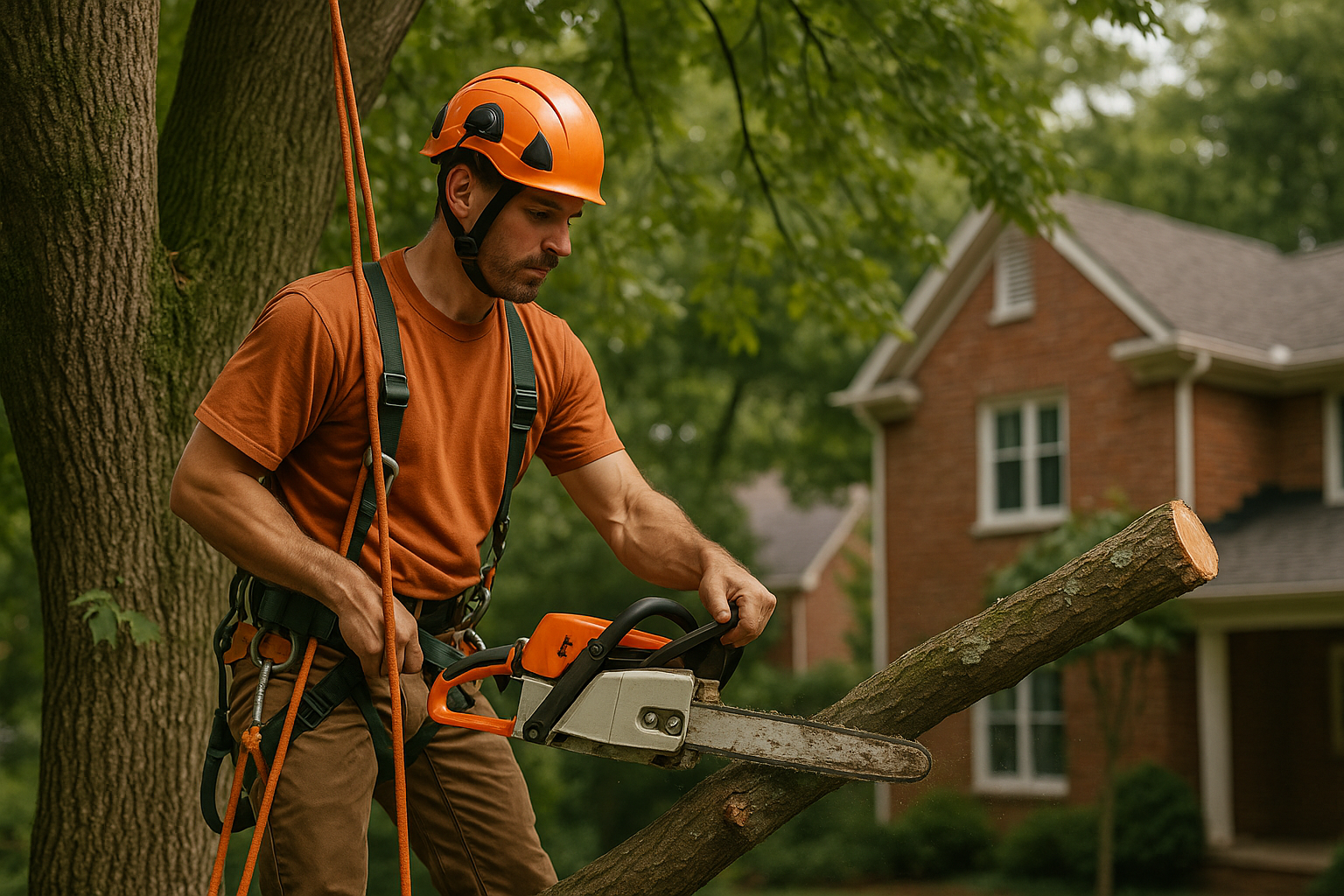
While homeowners can identify basic symptoms, professional assessment ensures accurate diagnosis and appropriate treatment. Contact certified arborists when you observe multiple symptoms, rapid decline, or structural concerns that could threaten property or safety.
Professional tree services can perform detailed inspections using specialized equipment to detect internal decay not visible from ground level. They can also recommend treatment options or safe removal procedures when necessary.
In areas like South Roanoke or Belmont, where mature maples provide significant canopy coverage, early intervention often saves valuable trees while protecting property investments.
Prevention and Maintenance
Regular maintenance helps prevent many maple diseases from becoming hazardous. Proper pruning removes dead wood and improves air circulation, reducing fungal disease pressure. Avoid pruning during wet weather when disease spores spread easily.
Soil management plays a crucial role in tree health. Ensure adequate drainage around maple trees and avoid soil compaction from foot traffic or construction activities. Mulching helps maintain consistent soil moisture and temperature.
Monitor your trees seasonally to identify diseased maple trees before problems escalate. Spring inspections should focus on new growth patterns and leaf development, while fall assessments can reveal structural issues as leaves drop.
Frequently Asked Questions
- What are the first signs of maple tree disease?
- Early signs include unusual leaf discoloration, premature yellowing or browning, wilting during normal weather conditions, and small dead branches appearing in the canopy.
- Can diseased maple trees recover without treatment?
- Some diseases like minor anthracnose may resolve naturally, but serious conditions like verticillium wilt or root rot typically require professional intervention to prevent tree failure.
- How quickly can a diseased maple become hazardous?
- Timeline varies by disease type and tree condition. Some structural failures occur within months of symptom onset, while others develop over several years.
- Should I remove a maple tree with disease symptoms?
- Not necessarily. Many diseased maples can be treated successfully if caught early. Professional arborists can assess whether treatment or removal is the safer option.
- What maple diseases are most common in Virginia?
- Verticillium wilt, anthracnose, and various root rot fungi are prevalent in Virginia's humid climate, along with bacterial leaf scorch in stressed trees.
About the author: Elena Rodriguez, Editorial Lead, Roanoke Tree Service Solutions. Elena has spent over a decade researching urban forestry and helping Virginia homeowners understand proper tree care practices. Her background in environmental writing has given her deep insight into the challenges property owners face when maintaining healthy landscapes. She's passionate about connecting residents with qualified arborists who can protect both their trees and their investments.
More tree service guides for Roanoke
Need tree service help in Roanoke?
Get matched with a vetted local pro — free, no obligation.